
Interreg Cooperation Day 2026
Interreg Cooperation Day is celebrated on September 21st, a day dedicated to highlighting and honoring cooperation within the EU.
- Publicerad: 11 sep 2026 08:19
What is Interreg?
Europe is a vast continent with very diverse countries that have very different conditions. At the forefront of the effort to unite the continent is the EU and the belief that all Europeans stand to gain from increased cooperation at all levels.
This cooperation is most visible and apparent in Brussels and Strasbourg, where Members of the European Parliament and the heads of government of the member states regularly meet to agree on new EU legislation that paves the way forward for the Union.
But an equally important part of European cooperation, which is not always as visible, is the massive collaboration that takes place at the regional level. The EU is not only divided into its 27 member states but also into small and large geographical cooperation areas, which cross national borders and aim to promote cooperation within the Union based on local conditions.
Today, there are a total of 86 such areas, each with associated funding programs designed to finance development initiatives for the respective regions.
These collaborations are called the Interreg programs. One example is the Interreg Baltic Sea Region program, which includes all countries around the Baltic Sea, and another is Interreg South Baltic, which brings together regions around the southern Baltic Sea.
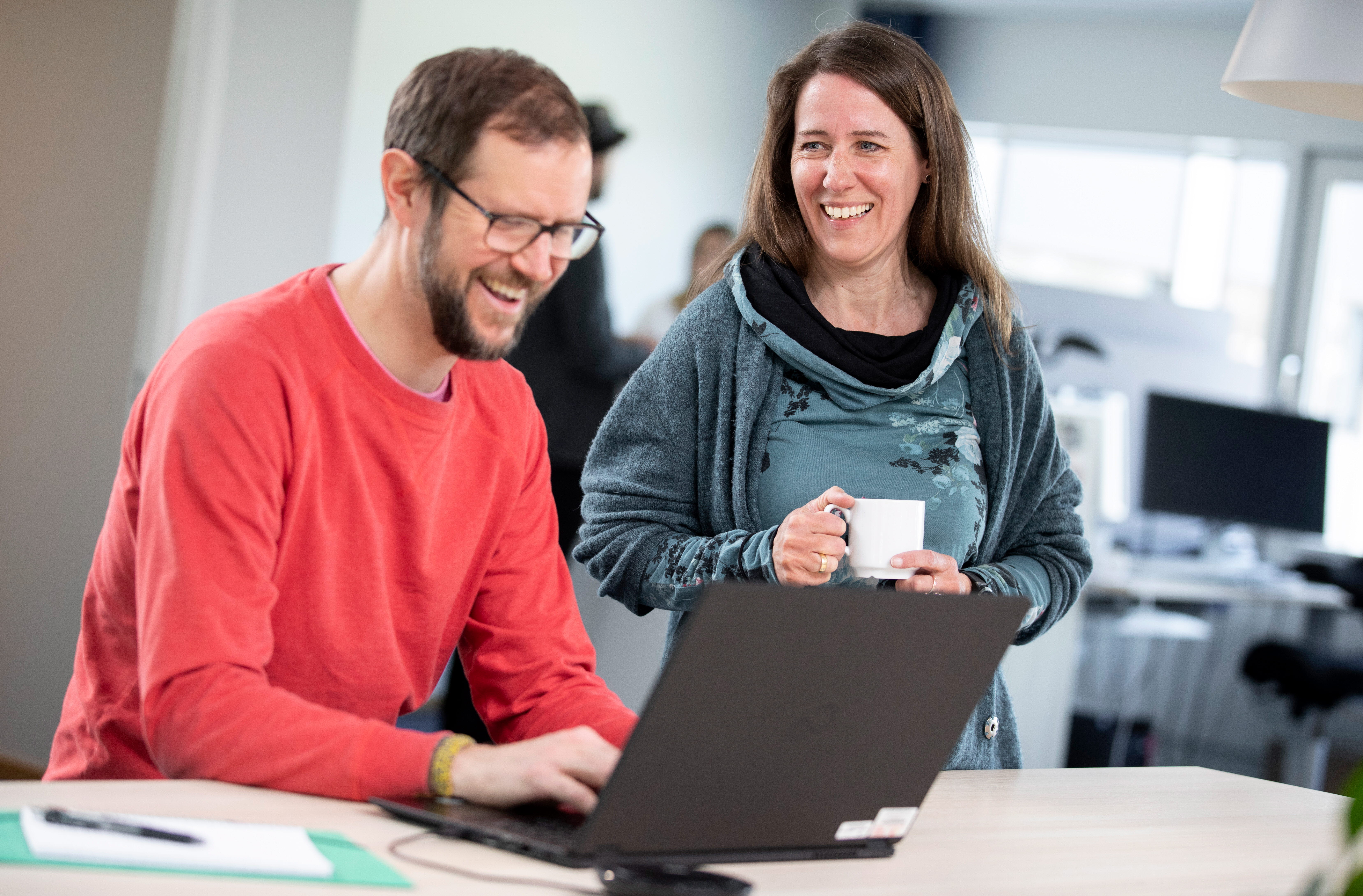
– Many challenges, such as those related to the climate, do not care about where national borders lie, and to best address them we often need to disregard borders and collaborate broadly. That is the very core idea behind the Interreg programs, says Johan Lundbäck, project developer and Interreg South Baltic contact point in Sweden.
Click here to see an interactive map of all Interreg programs.
The Interreg programs are highly prioritized by the EU member states, and each year the Union invests approximately 100 million euros in these programs. Actors across Europe, both large and small, can apply for these funds to jointly address common challenges with other local actors.
Granted EU Funds
During the current programming period (2021-2027), Swedish actors within the framework of Interreg South Baltic have so far been granted 11 368 851 euros, of which 3 806 614 euros have been awarded to actors in Kalmar County.
In total, 63 projects have received funding during this period, of which 16 projects include participating actors from Kalmar County.
Project Example: SBEES
Is there sufficient electricity and grid capacity to phase out fossil-fuel-powered vehicles and accelerate the transition to electric mobility?
To answer this question, IUC Syd is leading the EU-funded project South Baltic Digital Electromobility Enabling Services (SBEES), in which it and nine partners from around the southern Baltic Sea are developing four digital services to prepare for and implement this large-scale transition.
– If all of Europe’s vehicles were electrified tomorrow, half of all the electricity currently produced in EU countries would be needed. Sweden is better positioned than many other countries, but the transition is still complex,” says Mats Larsson, SBEES Project Manager at IUC Syd.
The four services currently under development are designed to help municipalities, logistics companies, property owners and electricity grid operators calculate and plan future energy needs. Among other things, the project maps charging and power capacity requirements in cities and analyses how stationary batteries can be used.
The aim is to complete the project within one year and make the results available for analysing future investments and power capacity needs.
Project Example: Horse Tourism for All
Horse tourism, in the form of riding holidays and horse-based experiences on or alongside horses, has significant potential to contribute to more sustainable, inclusive and economically viable rural tourism.
The aim of the project is to develop sustainable experiences within nature- and horse-based tourism and strengthen Öland and the southern Baltic Sea region as year-round destinations.
The project is funded through the EU’s South Baltic Programme. The total budget is approximately SEK 25 million, of which SEK 5 million is allocated to the initiative on Öland. The project period runs from January 2025 through December 2027.
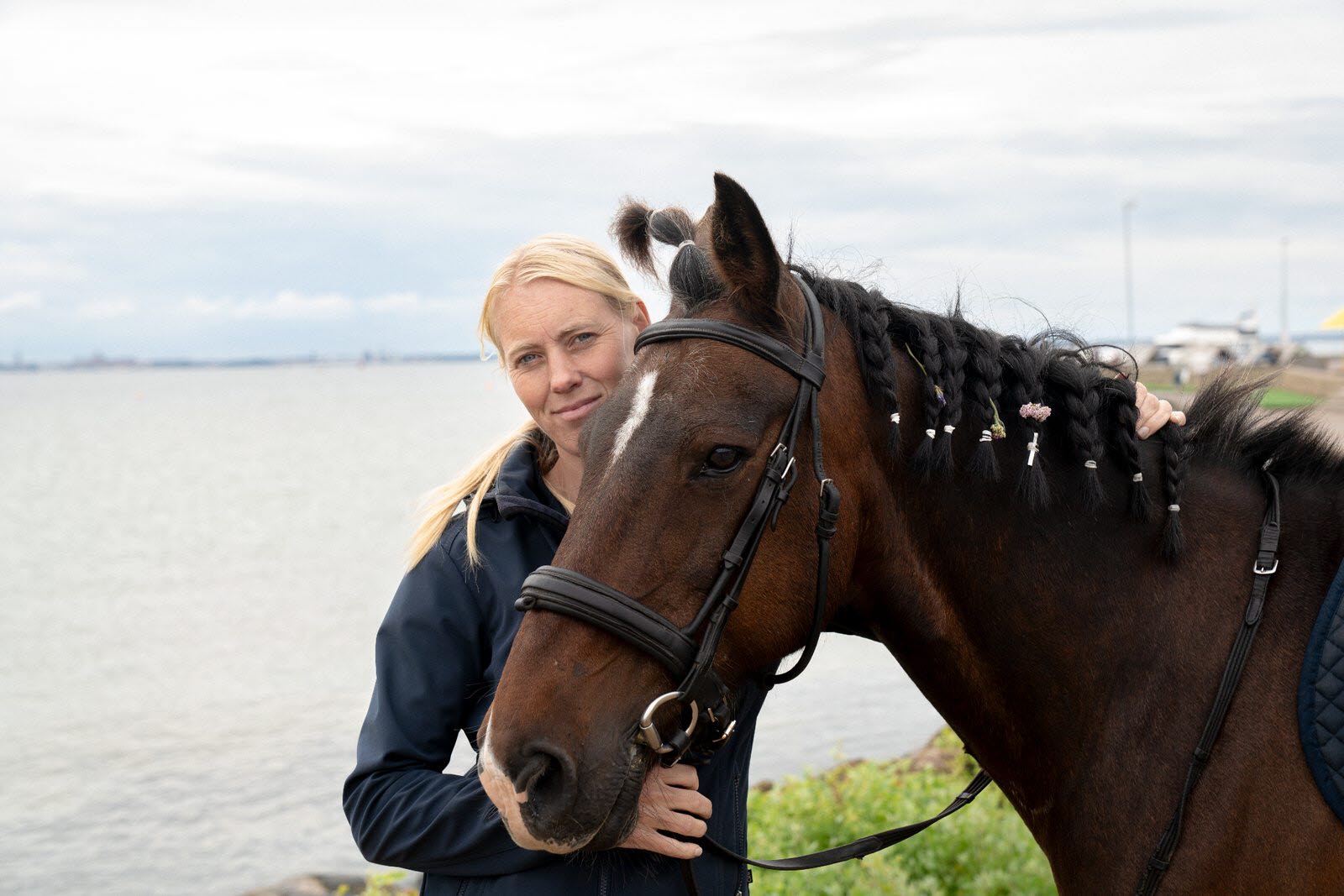
Why do we need to collaborate on this across the southern Baltic Sea region?
This type of nature-based recreation can make natural and outdoor areas more accessible in a responsible and sustainable way, while also increasing the attractiveness of rural landscapes.
Horse riding is particularly well suited to rural areas and can help distribute visitor flows and create a better balance between highly and less tourist-intensive destinations. Interest in horse riding is steadily increasing, with approximately 5 percent more riders each year according to the European Horse Network. The economic potential is therefore considerable, particularly in rural and sparsely populated areas, where horse tourism can generate new sources of income, employment opportunities and local pride.
At the same time, there is a need for better coordination, infrastructure and knowledge of the socioeconomic benefits of horse tourism. The project addresses these needs through cross-border cooperation, knowledge exchange and the development of common standards.
– On Öland, the initiative includes developing a riding trail, creating a campsite with overnight accommodation for riders and horses, developing new travel packages, and strengthening cooperation between local stakeholders, says Jennifer Ehnemark, Project Manager.
More information
Would you like to learn more about these two projects or other projects funded by the Interreg South Baltic Programme? You can find more information in the Project Database for 2021–2027.
-
Johan Lundbäck
-
Contact Point Sweden South Baltic CBC Programme
- johan.lundback@regionkalmar.se
-
Telefonnummer010-358 83 42
Sidan uppdaterad: 11 september 2026